Enhance Your Home With Skilled Roof Protection Services for Long-term Performance and Protection
Homeowners commonly overlook the significance of roof coating. This essential treatment can greatly enhance a roof's durability and security from environmental conditions. By putting on a professional protective layer, roofs establish a protective layer that protects against sun damage and stops water seepage. However, becoming familiar with the various types of roof treatments and their application process is vital. What should homeowners examine before spending on professional roofing protection? The key points lie ahead.
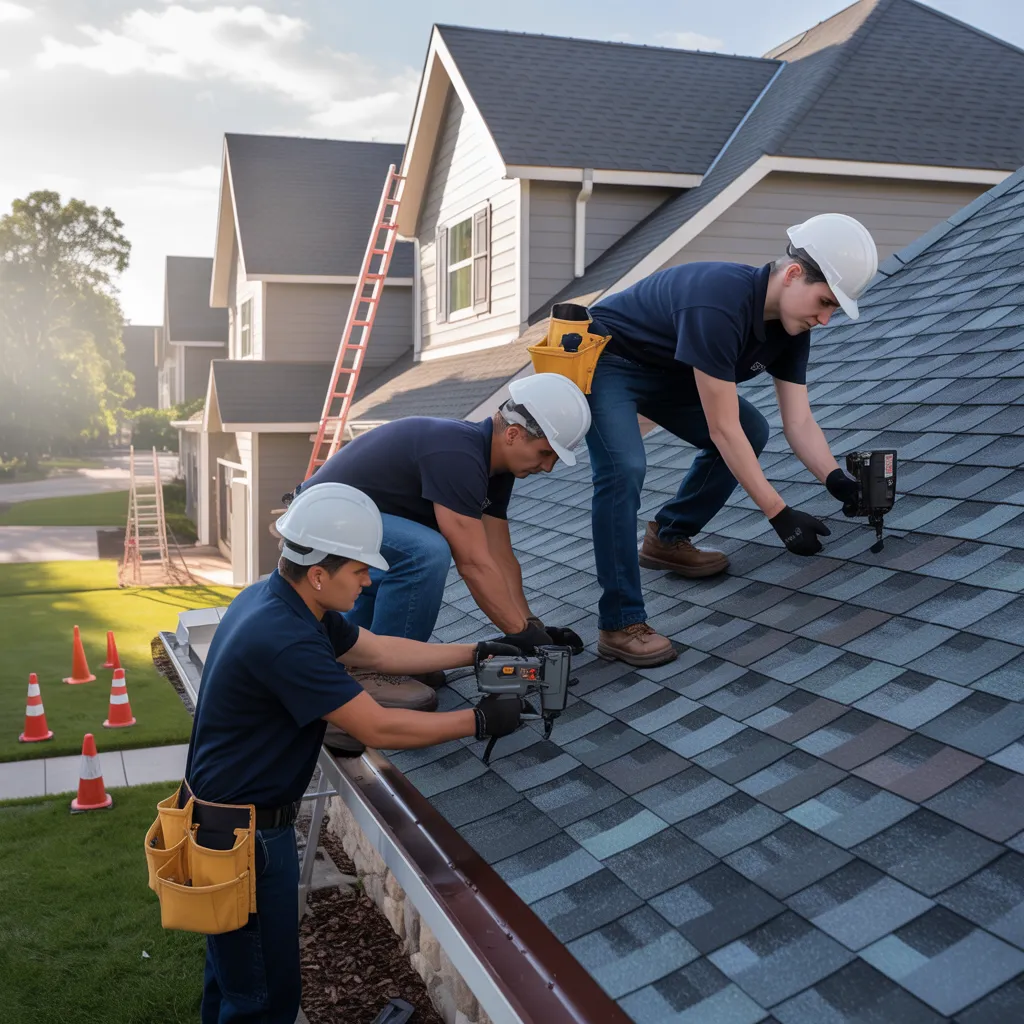
Comprehending Roof Protection and Its Critical Role
Roof coating establishes a safeguarding surface that strengthens the durability and lifespan of roofing systems. This coating functions as a wall against environmental factors such as UV radiation, moisture, and extreme temperatures. By sending back sunlight, roof coatings can cut down on heat absorption, producing lower energy costs and improved indoor comfort. Additionally, they aid in preventing the deterioration of roofing materials, which can be produced by prolonged exposure to rain and snow.
Recognizing the significance of roof coating involves acknowledging its function in preserving the structural soundness of a building. It reduces the risk of leaks and water damage, guaranteeing that the underlying materials remain intact. Moreover, roof coatings can be used to various roofing types, making them flexible solutions for homeowners. Overall, investing in roof coating is a proactive approach to extending the life of a roof and lowering long-term maintenance expenses.
Leading Strengths of Qualified Roof Coating Providers
Selecting professional roof coating services supplies many benefits that upgrade the protective qualities of roof structures. One significant advantage is the improved durability of the roof, as high-quality coatings render an extra layer of protection against severe weather, UV rays, and potential leaks. This reinforces the life expectancy of the roof material, reducing the requirement for costly repairs or replacements.
In addition, professional installation ensures uniform and thorough coverage, which is necessary for optimal results. Experts command the proper equipment and knowledge to detect existing issues and resolve them skillfully, avoiding subsequent problems.
In addition, roof coatings can enhance energy efficiency by redirecting solar heat, generating lower cooling costs. This not only advantages homeowners economically but also furthers environmental sustainability. Ultimately, professional roof coating services ensure long-term protection and peace of mind, making them a worthwhile investment for any property owner.
Various Styles of Roof Coatings That Exist
When examining roof coatings, property owners encounter a variety of options suited to specific needs and conditions. Among the most common types are acrylic coatings, noted for their flexibility and UV resistance, making them ideal for areas with intense sunlight. Silicone coatings offer excellent water-resistant capabilities and are protected to mold and mildew, while also being environmentally friendly. Polyurethane coatings offer durability and abrasion resistance, often chosen for commercial properties due to their strength. For those seeking a reflective solution, reflective roof coatings improve energy efficiency by lowering heat absorption. Finally, asphalt-based coatings serve as a budget-friendly option for older roofs, offering a protective layer against the elements. Each type of coating has unique benefits, allowing property owners to select the most suitable option based on their roof's material, climate, and desired longevity.
The Roofing Membrane Application Process
Applying a roof coating requires a systematic approach to ensure optimal adhesion and durability. The procedure starts with a thorough inspection of the roof’s surface to detect any damage or necessary repairs. Then, the roof is cleaned meticulously to eliminate dirt, debris, and any old coatings that might block adhesion. This step is vital, as a clean surface guarantees the coating adheres properly.
Once the roof is prepared, any cracks or seams are sealed to avoid leaks. Afterward, the sealant is applied using either spray, roller, or brush methods, ensuring even coverage across the entire surface. Typically, several layers are recommended for best protection, with sufficient drying time between applications.
Finally, the application is examined for consistency and any overlooked areas. This meticulous procedure enhances the roof's durability and performance, giving homeowners with confidence regarding their investment.
Safeguarding Your Roof Post-Coating for Durable Protection
To guarantee the longevity and effectiveness of a freshly coated roof, consistent maintenance is essential. Homeowners should conduct routine inspections to identify any signs of damage, harm, or accumulation of debris. Promptly addressing minor issues can avoid more serious problems down the line. It is advisable to clear the roof periodically, taking away leaves, dirt, and other debris that can hold moisture and lead to deterioration.
Additionally, guaranteeing proper water flow is useful guide critical; clogged drainage channels can cause water to pool, possibly harming the roof coating. Homeowners should also be mindful of the surrounding environment, removing overhanging branches that might damage or degrade the coating.
Utilizing a delicate cleaning product during servicing can support the preservation of the integrity of the coating without causing harm. By adhering to these maintenance practices, residents can enhance the resilience and protective attributes of their finished roofs, ensuring sustained results and satisfaction.
Common Questions Asked Often
How Often Should I Reapply Roof Coating?
Roof coating typically should be reapplied every 5 to 10 years, depending on the material, climate conditions, and wear. Routine checks can help determine the right time for reapplication to maintain optimal protection.
Is It Feasible to Install Roof Coating During Winter Season?
Roof coating is able to be applied in winter, yet environment must be perfect. Heat levels should ideally stay above the manufacturer's recommended minimum, and areas must be moisture-free to assure proper bonding and performance of the coating.
Might Roof Coating Effect My Home's Warranty?
Roof sealant may impact a home's coverage, depending on the manufacturer's guidelines. Homeowners should consult their warranty documentation or reach out to the manufacturer to comprehend any possible impacts before proceeding with applying coating.
Is Roof Coating Secure for Pets and Vegetation?
Roof coating is typically secure for animals and vegetation once fully cured. It is advisable to keep animals and vegetation at a distance throughout the installation procedure to avoid possible short-term exposure to toxic substances and vapors.
What's the Most Effective Way to Identify a Dependable Roof Coating Contractor?
To discover a reputable roof coating contractor, one should solicit advice from friends or family, read online reviews, verify credentials, and request estimates from multiple contractors to assess services and pricing effectively.